zoe liao

I was fortunate enough to participate, as a product designer, in a three month startup incubator at USC called Lavalab. I was able to develop and prototype a parking mobile app and parking sensor to help drivers find street parking.
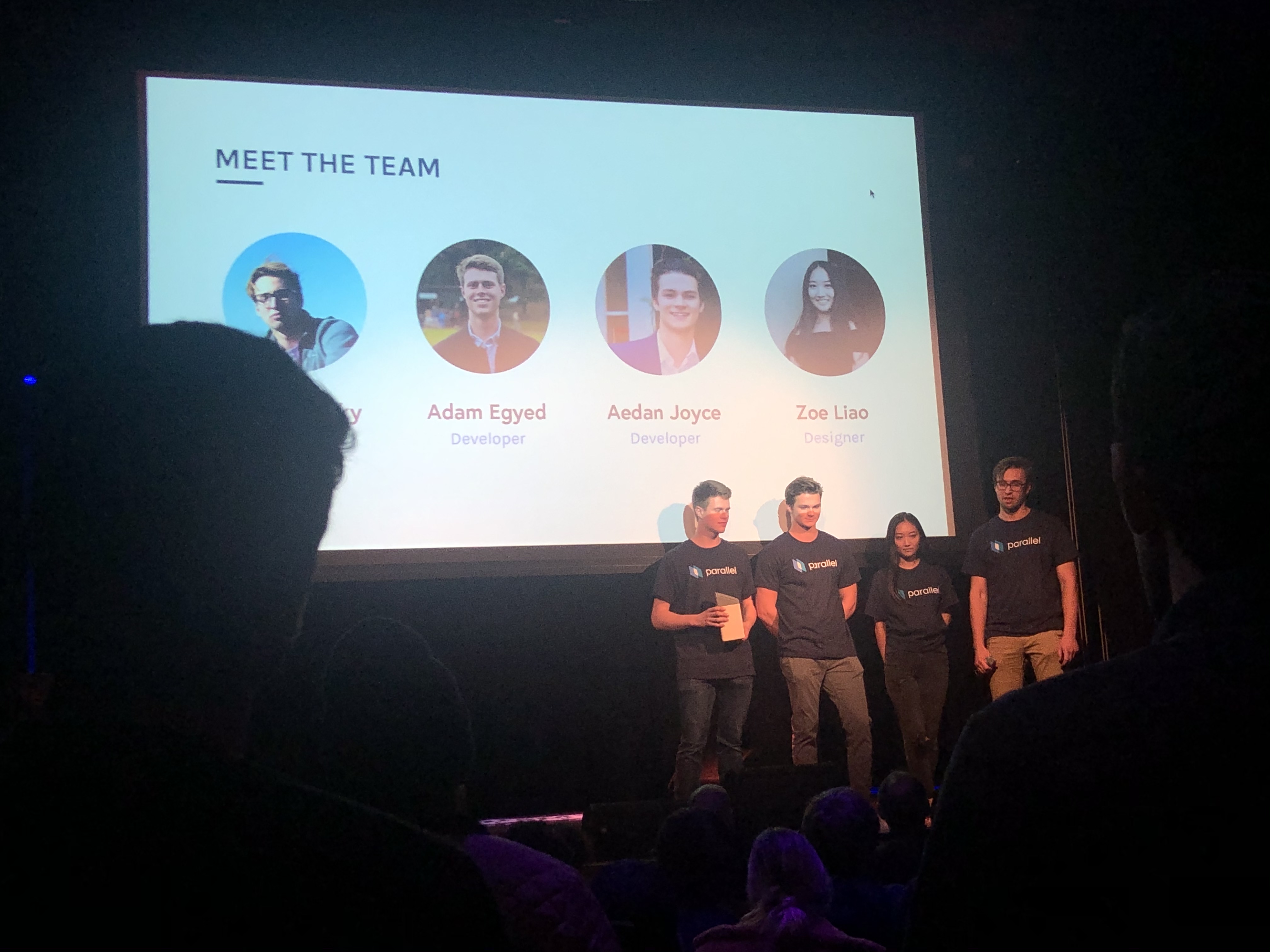
For this project, I handled all the design aspects including product and branding design. Our team spent 8 weeks to develop our startup concept and pitched our to VCs on December 3rd, 2019. Our team was awarded for Best Demo out of 7 teams!
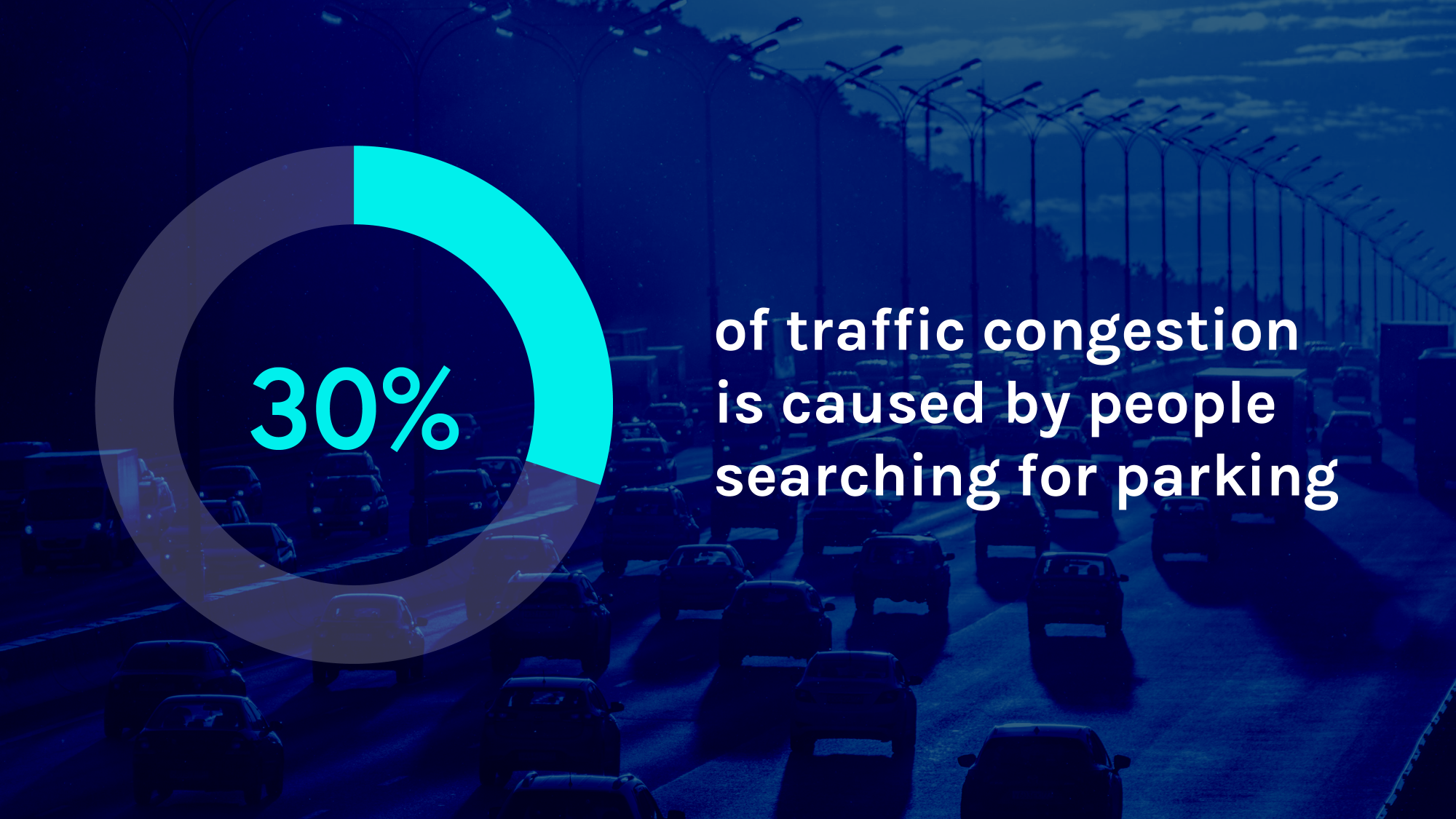
We’ve all been there, a drive to the city only to find yourself spending 30 minutes driving around just to look for parking. Cities have yet to find a way to effectively manage on-street parking. Consumers suffer, unable to find spots, while cities are left spending hundreds of thousands on enforcement. According to USA Today, drivers spend an average of 17 hours a year searching for parking.
I started with an evaluative research by sending out surveys to people who drive in populated cities to determine whether a parking solution would meet user’s needs . With the help of my team members, we were able to receive 50 responses which helped provide direction for our user interviews and filter for qualified candidates. In our user interviews, we learned that 100% of the users struggle with finding parking in Los Angeles. 83% of the users would prefer on-street meter parking because it is a cheaper alternative to a parking lot. 1 of 12 interviewees prefer parking lots because they feel that it is safer.
We discovered that competing companies target parking in garages but not for critical on-street meter parking.
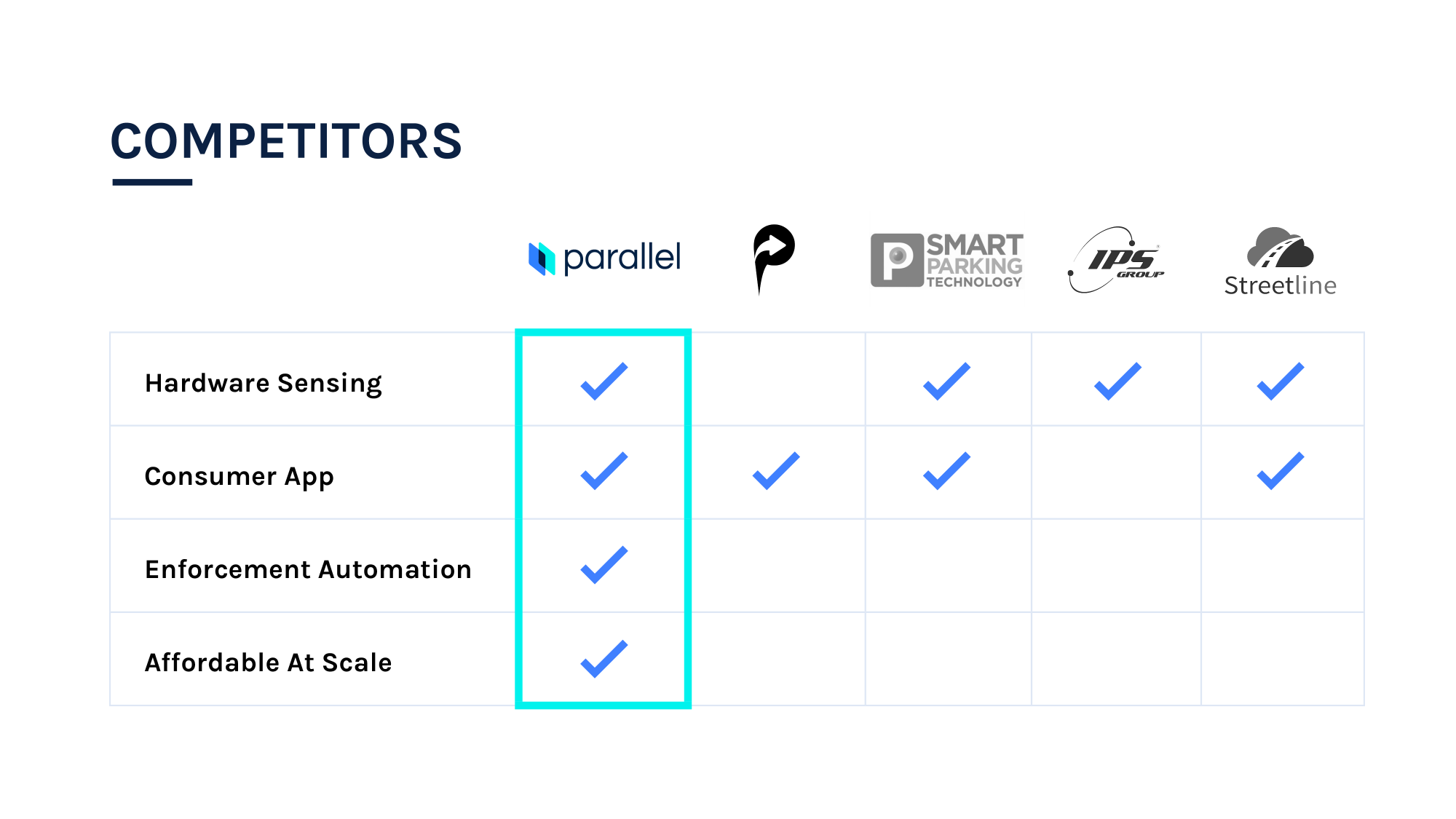
We decided to focus on-street parking because there is no existing solution and drivers prefer on-street parking because it is the cheapest alternative.
I wanted to ensure our experience would be as fast as the existing experience: putting coins or swiping card on a meter. I explored different transportation experiences including the LA Metro, scooters, bikes, and car sharing services. I decided on adopting a user experience much like scooter apps because the experience is quick and users already have familiarity with them. I mapped out the ideal parking app flow to have as little steps as possible to match user’s fast-paced lives.

Due to the time constraints, I focused on major features within the product to send off to the developers to code.
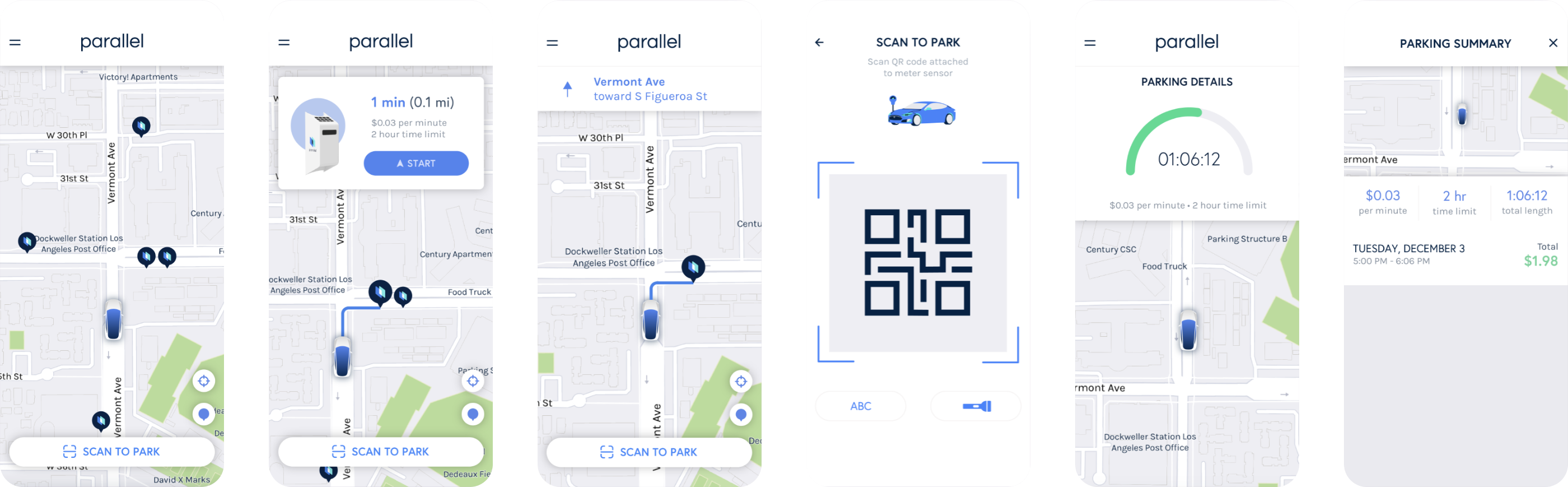
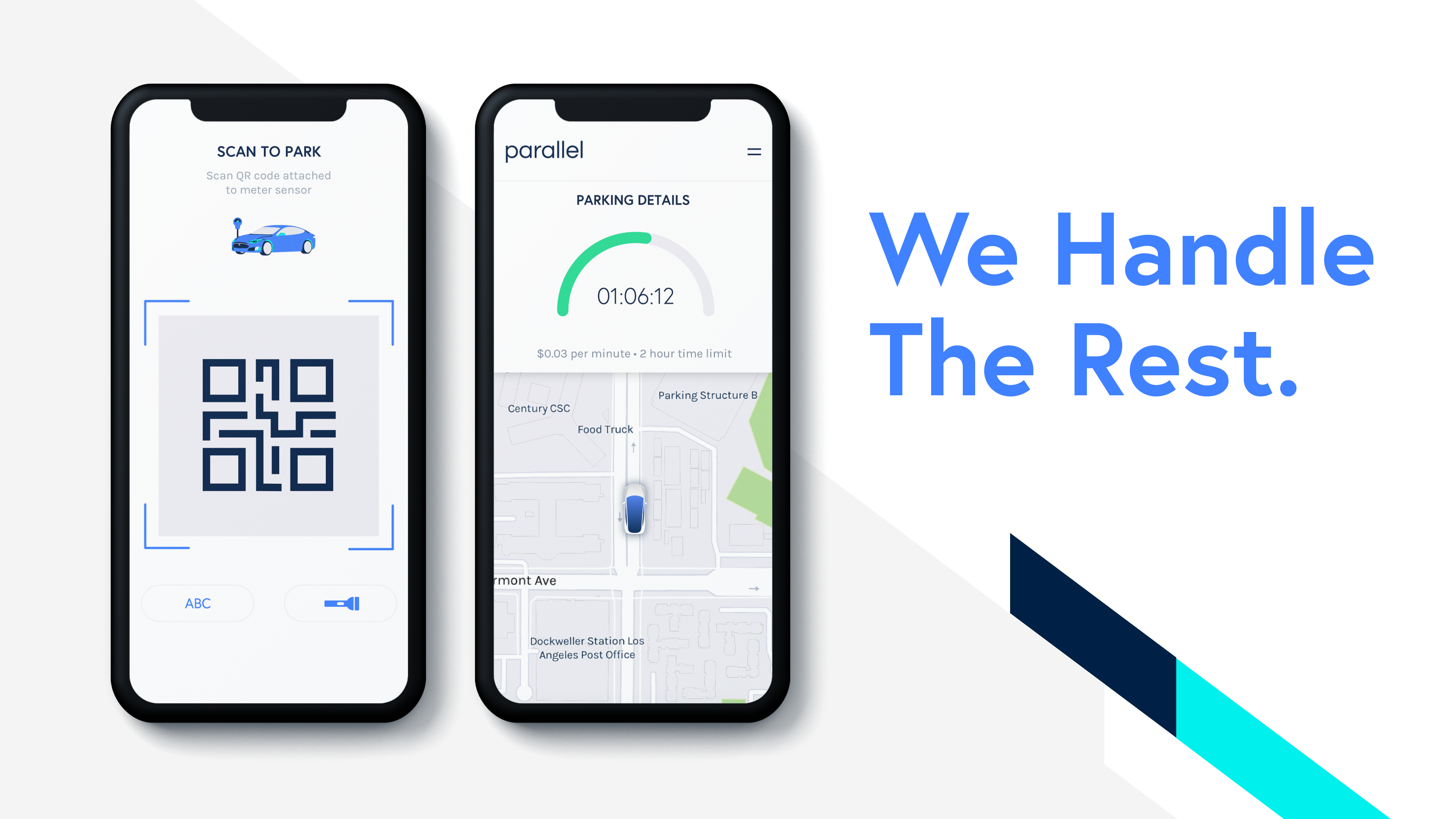
After testing our prototype on users, I discovered there were features that prolonged the user’s experience. As I resulted I decided to revisit the design and have pins show only the available parking spots, automatically generate and find parking spots 10 mins radius of the user, and utilize a QR code to start the time for parking.
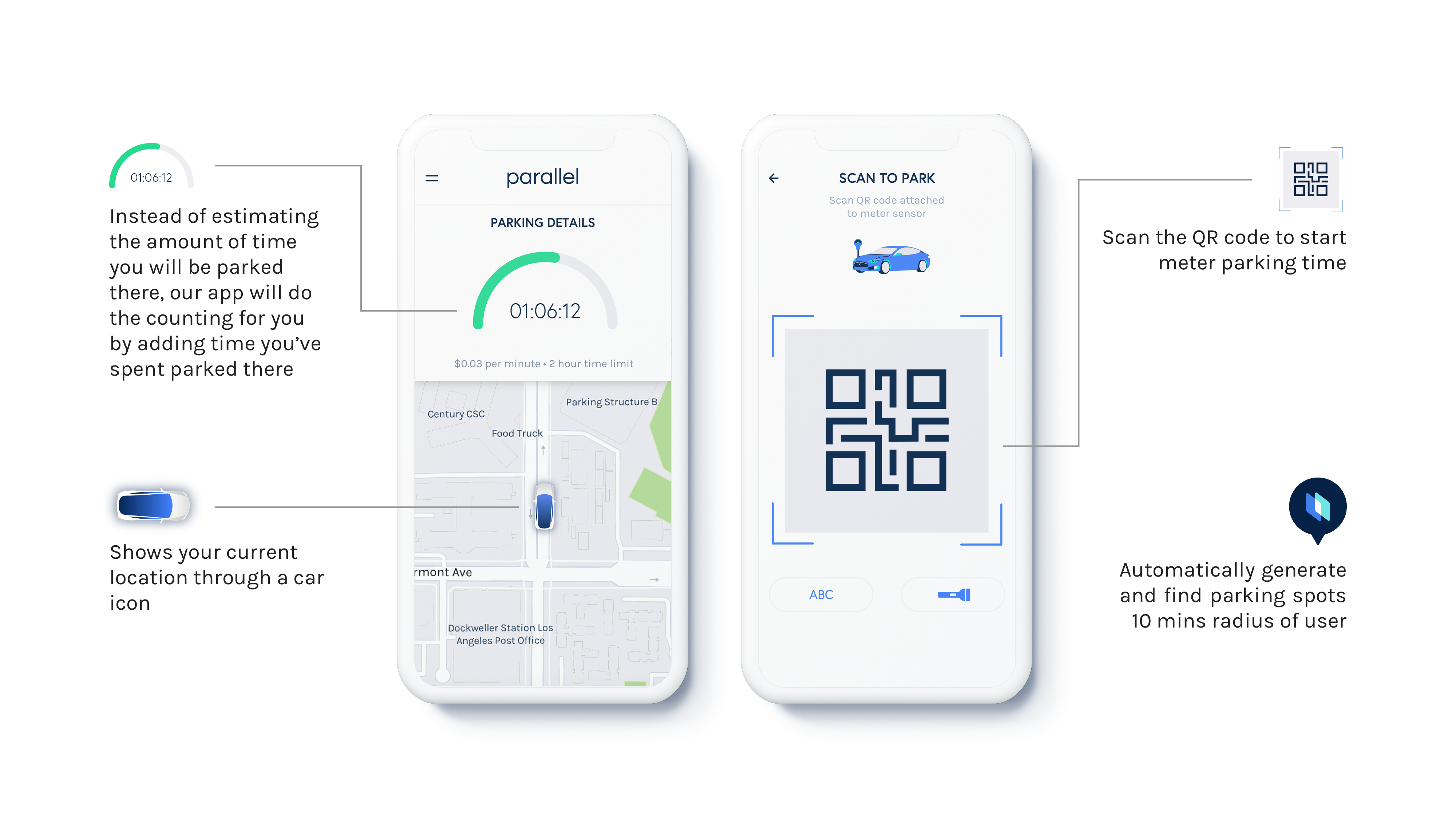
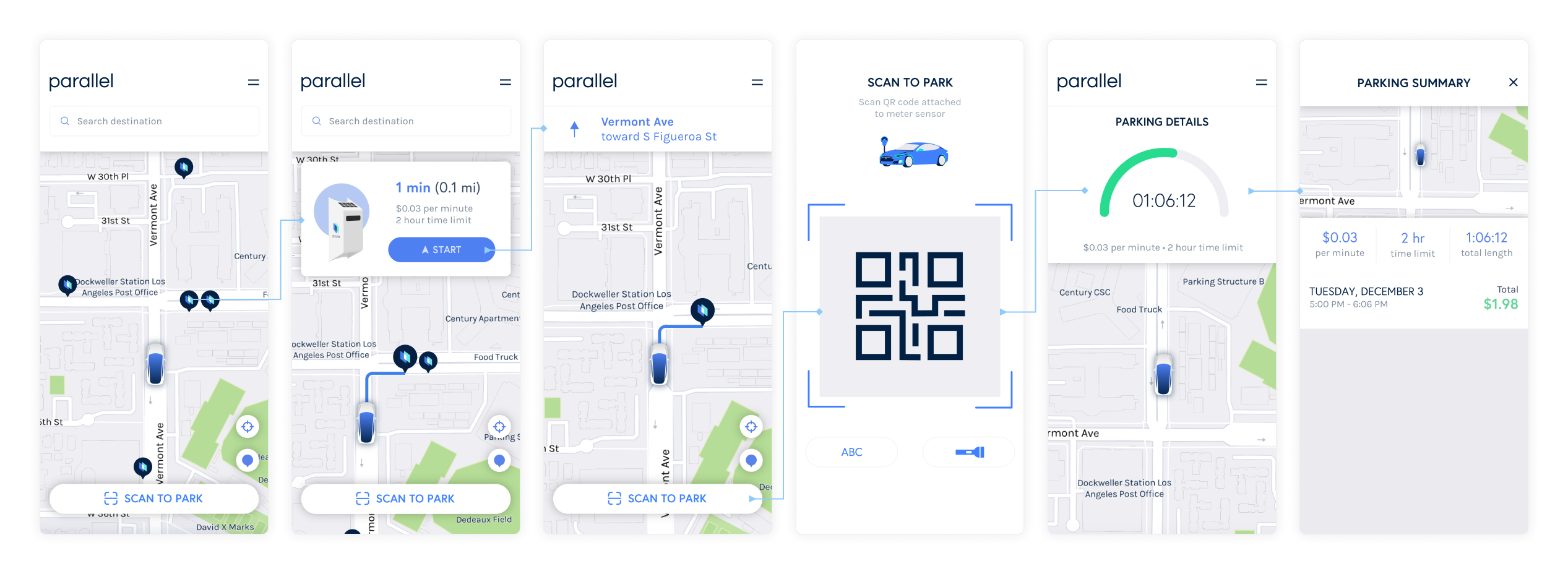
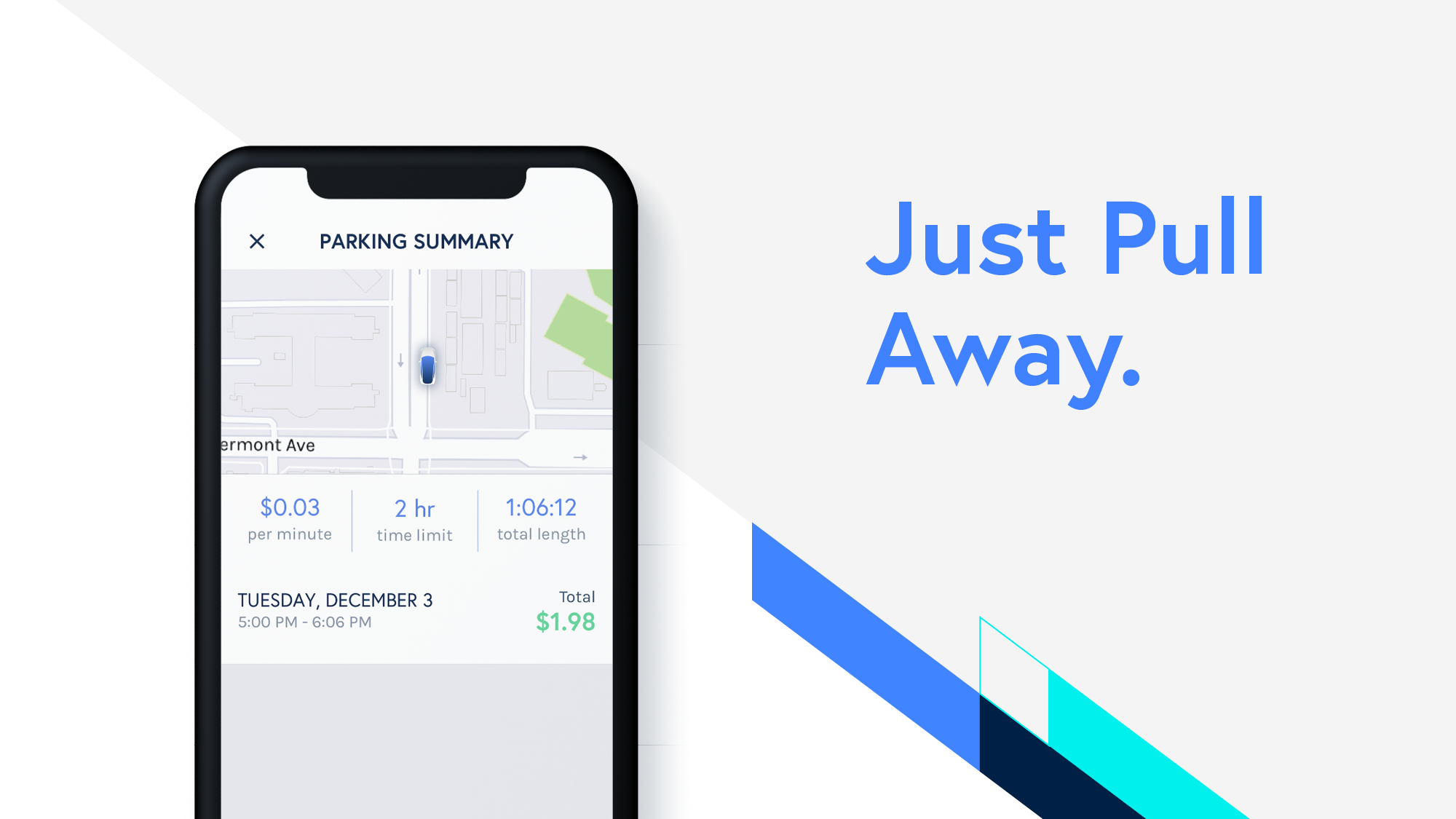
We provide a consumer facing app for parking discovery and payment as well as a public-sector service that automates violation enforcement. This is achieved with a low-cost smart meter implementation with the ability to retrofit existing meters. The sensor can detect cars, recognize license plates, and allows seamless transactions through a QR code.
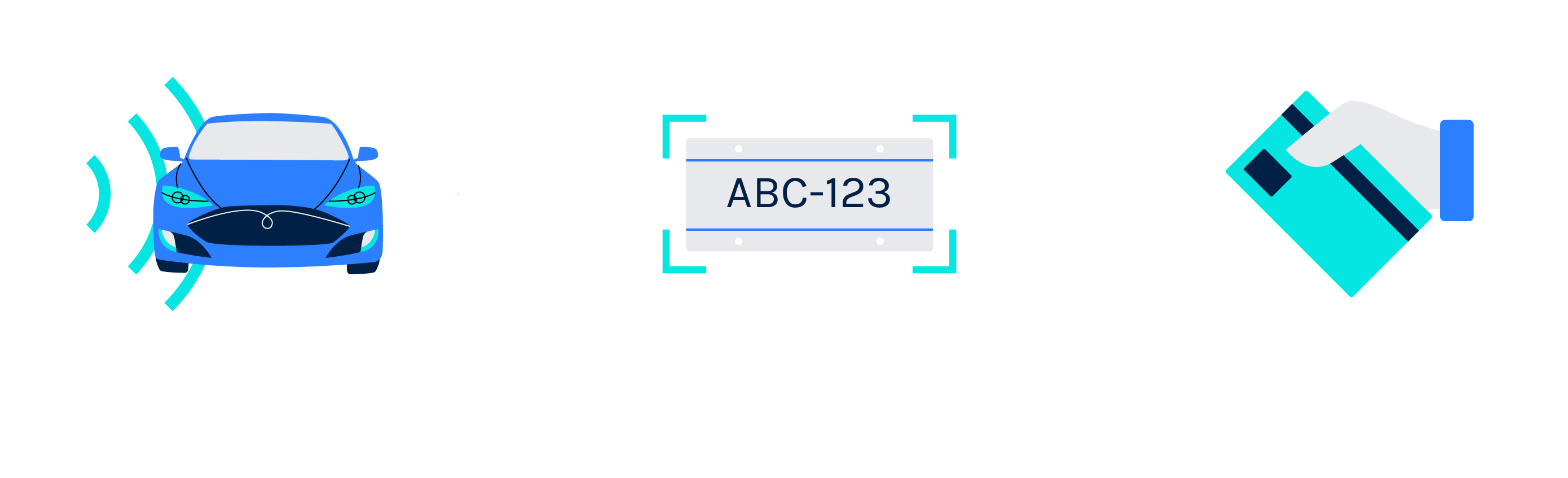
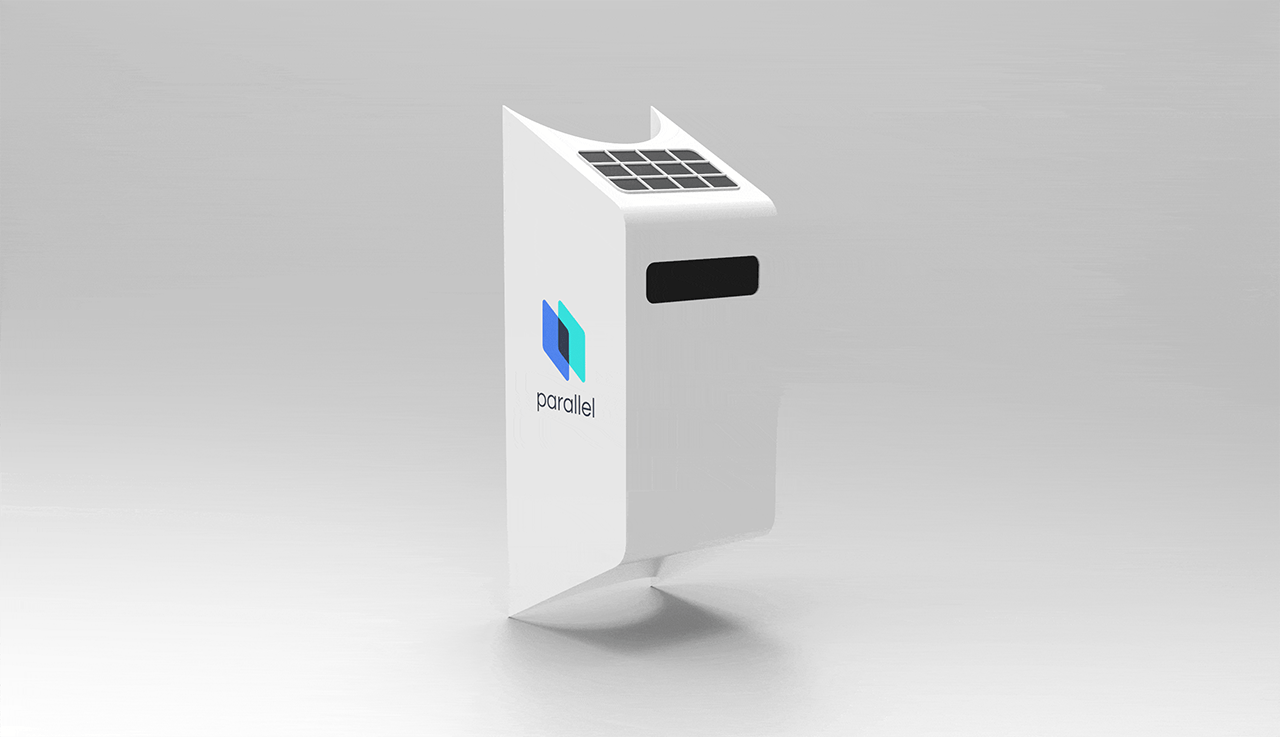
By building cities of the future with connected parking infrastructure, we help drivers minimize time on the road and help cities minimize traffic congestion and costs.
To ensure our app matches the fast-paced lives of people in big cities, we designed an experience as easy as finding a scooter.
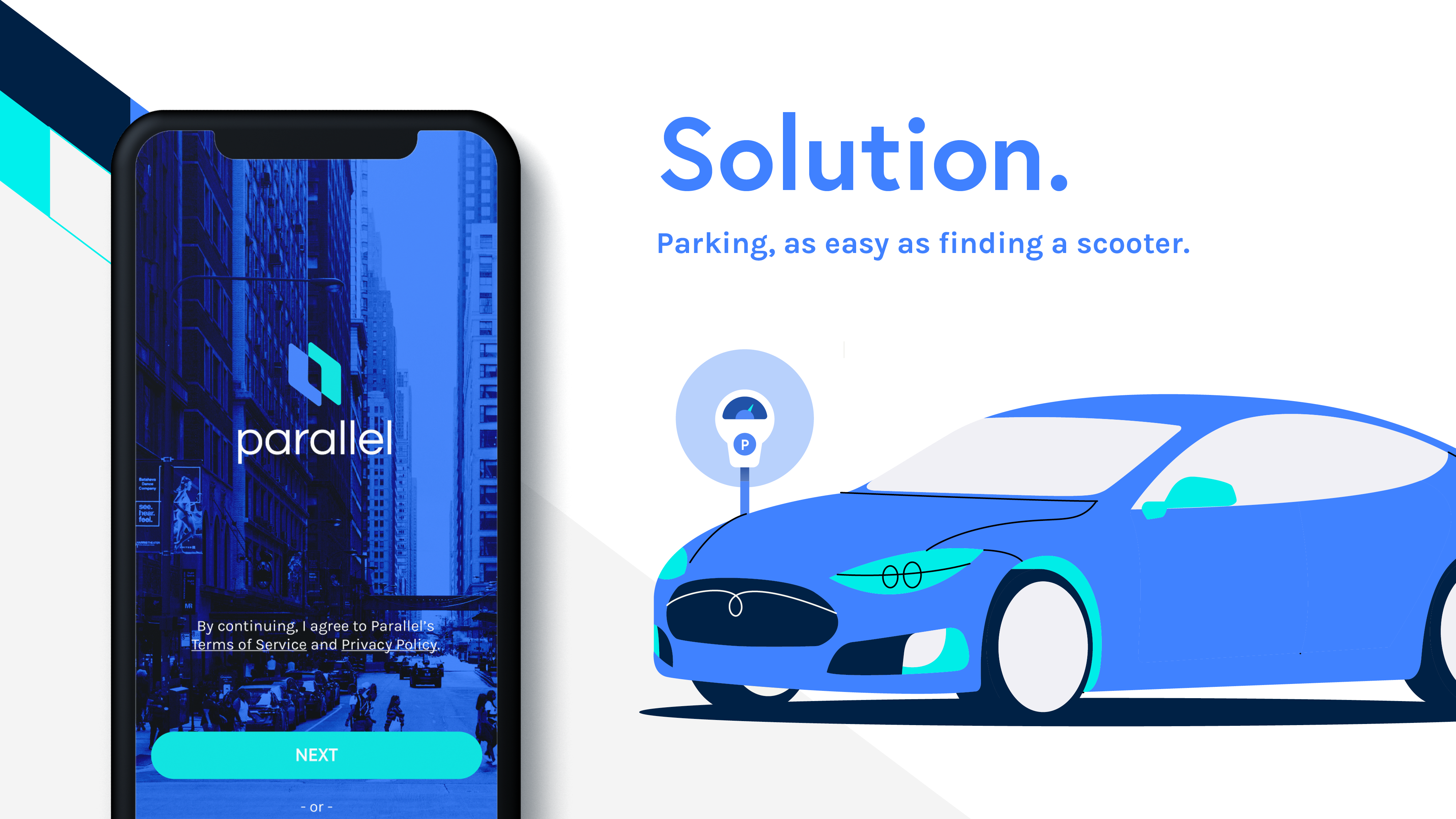
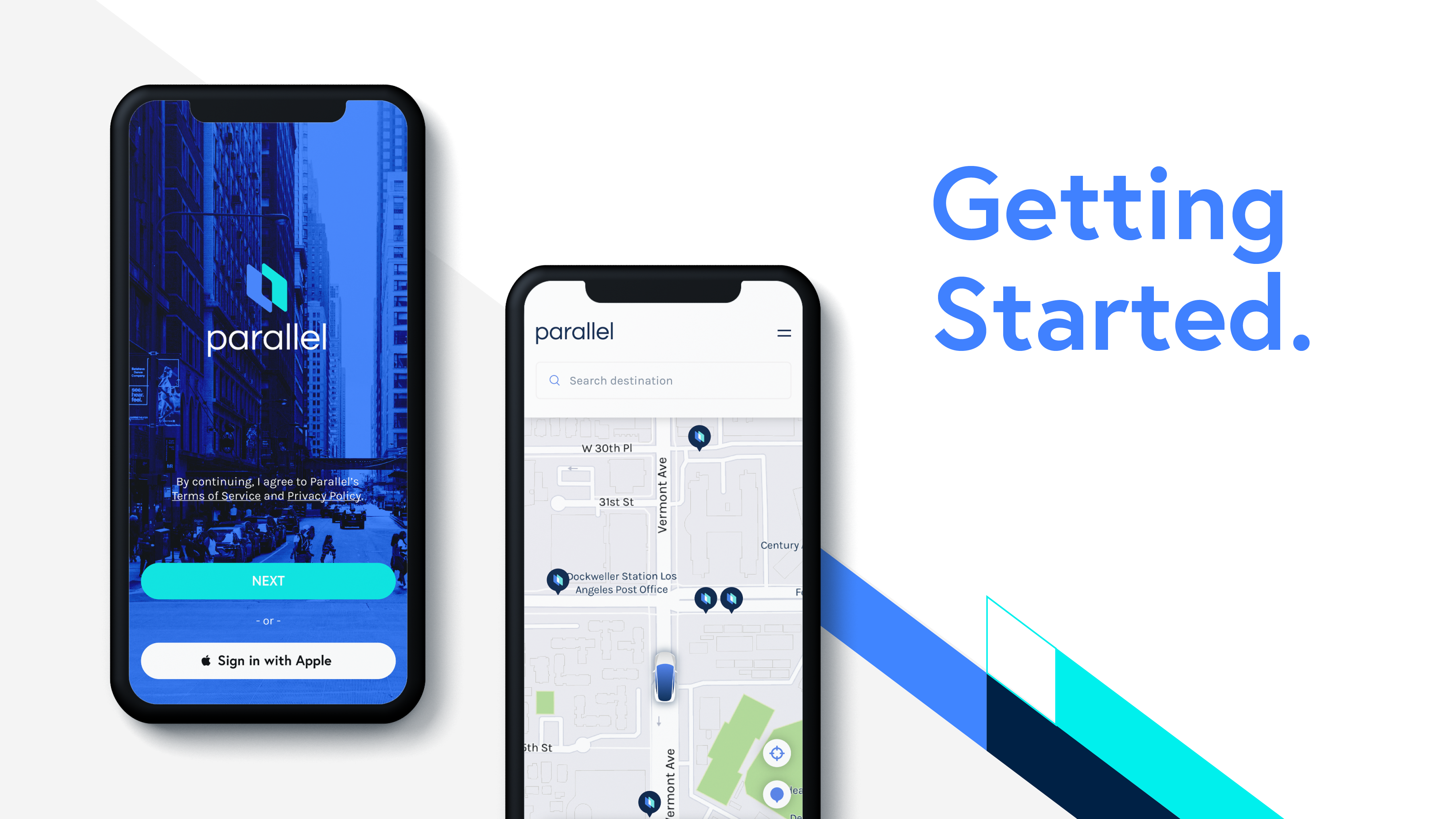
According to the study conducted by Blue Research, 86% of users feel bothered when they’re prompted to create new accounts. Our target audience are drivers in big cities that are always on the go and cannot afford to have another app slow down their busy lifestyle. We choose to design an experience where users can sign in with their a preexisting Apple account to skip long forms.
Map
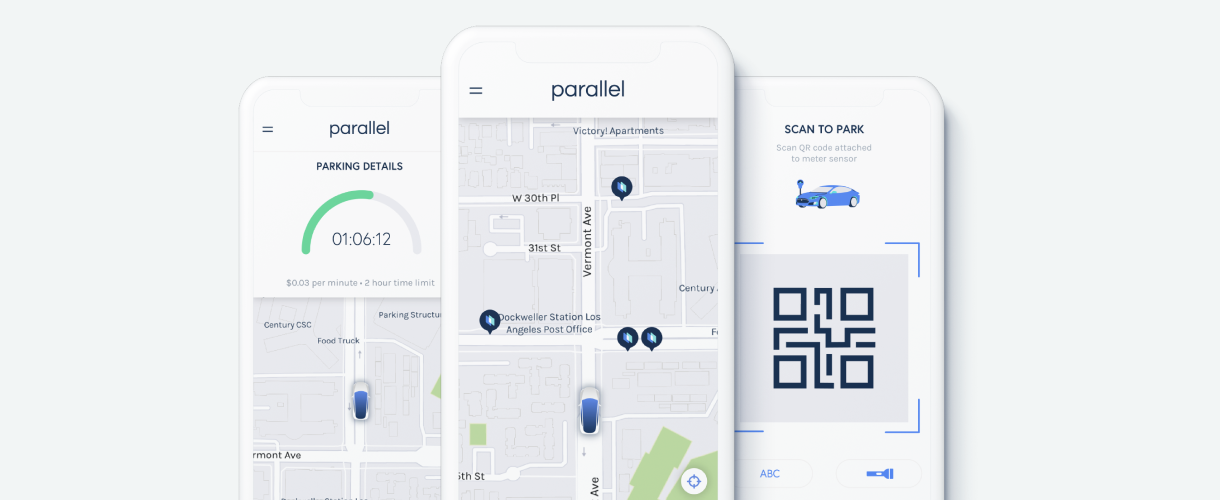
Like scooter apps, we provide pins of available parking spots to allow drivers to quickly navigate and route to their destination. The map is defaulted to the user’s current location. Searching for a specific destination will show parking spots within that vicinity.
Card Details
Like scooter apps, we provide pins of available parking spots to allow drivers to quickly navigate and route to their destination. The map is defaulted to the user’s current location. Searching for a specific destination will show parking spots within that vicinity.
Added Benefit
Allow users to easily relocate their car
Exact payment for time spent at meter
According to the study conducted by Blue Research, 86% of users feel bothered when they’re prompted to create new accounts. Our target audience are drivers in big cities that are always on the go and cannot afford to have another app slow down their busy lifestyle. We choose to design an experience where users can sign in with their a preexisting Apple account to skip long forms.